
By: Sloan Salinas, intern
During the second semester of my freshman year of college, I decided to try my hand at writing for the entertainment section of the Georgia Tech student-run newspaper, The Technique.
You might wonder why an engineering major might take such a leap. I desperately missed writing things that weren’t lab reports, so when someone offered me the chance to write about the music and media that I liked, I jumped at the opportunity — which then resulted in my (shocking) change in major later on.
I proceeded to spend the next three and a half years as a contributor, then the official staff writer, before eventually becoming the assistant entertainment editor for The Technique. During that time, I was fortunate to have opportunities that I couldn’t have imagined — opportunities that taught me lessons that not only helped me throughout college but have carried over into my life after graduation.
Some of those lessons are:
You don’t have to prove anything to anyone else
As a young reporter, I had no shortage of “should I really be here?” moments. There were times when I was the only student journalist at an event or the only female photographer in the pit. Then there were times when I was the youngest and the only woman in the room.
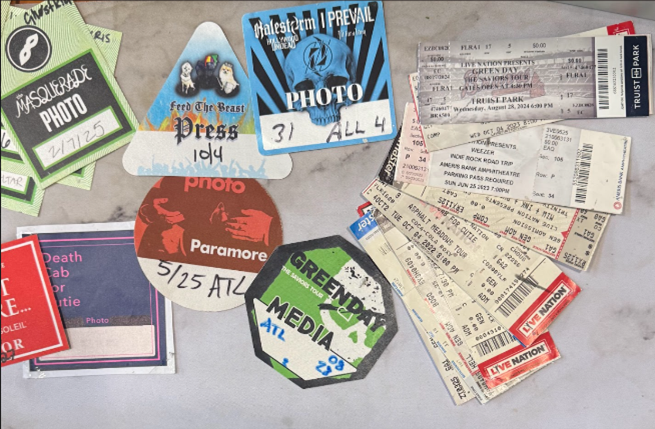
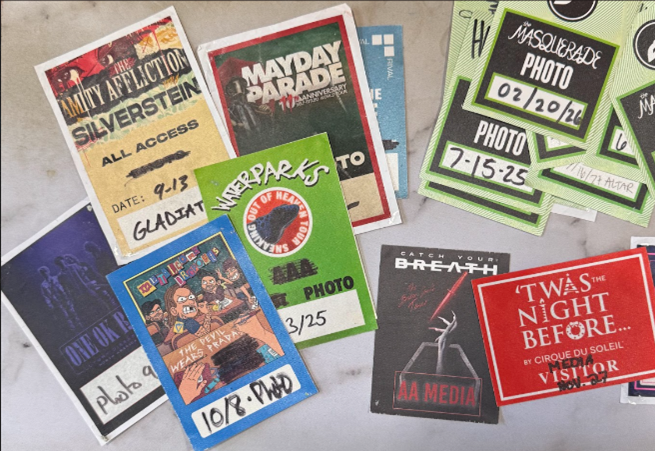
At the beginning, I couldn’t help but feel like I had to prove that I belonged there alongside reporters who were much more seasoned. But as I gained experience and started to feel more comfortable in a variety of industry settings (and learned how to look like it, even when I didn’t), I also learned how to accept that it didn’t matter if I was a minority in the room because I got into the room just the same as everyone else.
Realizing that I didn’t have to prove my capability to anyone, and that I should be able to feel confident in my abilities, was something that didn’t just impact me internally; it was also visible in the way I carried myself and interacted with people at events and interviews.
Preparedness is crucial, but so is a level head
As a photographer, preparedness meant making sure both camera battery packs were charged the night before a show and that the SD cards had space on them. It also meant looking up the venue beforehand to make sure I knew where to park and where to meet my contact.
Similarly, as an interviewer, preparedness meant researching whoever I was going to be talking with and reading their past interviews to make sure I wasn’t wasting any time on previously answered questions. It also meant deciding which of my planned questions were most important in case my time was cut short.
At the same time, it’s important not to get so obsessive about planning that preparedness turns into anxiety. Learning to balance the two is a skill that doesn’t just apply to the journalism world but the world in general, whether regarding a job or a phone call with a friend.
Expect last-minute changes
While being prepared is a must, being able to pivot is also essential. Adaptability at a moment’s notice was something I learned primarily from interviewing high-profile subjects. When working with musicians, performers, actors and directors, you learn quickly that their schedule — and yours, by default — can change on a dime.
The details of the first interview I ever conducted, the lead singer of a band while on tour in Atlanta, weren’t confirmed until I was standing in the line for the show. Then, those details were changed later — just minutes before the band went onstage.
From a venue’s box office losing a photo pass, to an actor’s schedule suddenly changing, to a band’s crappy cell service interfering with an over-the-phone interview, or a PR agency sending a new address less than an hour before an event, I had my fair share of experiences where adaptability and flexibility were absolutely necessary — but that’s show biz for you!
As someone who doesn’t like last-minute changes, this part of the job was never particularly enjoyable, but having no choice but to accept and roll with such changes, while still retaining professional composure, turned out to be a most valuable skill.
Don’t be afraid to ask for things you want
Entertainment journalism is not a career for the timid — being bold is often a requirement in order to advance. When covering concerts, there were times where we’d get an invitation from the artist, but other times, the onus was on me to ask my editor to put in a request for media credentials for the shows that I wanted to cover. While I started small, eventually I started requesting bigger artists in larger venues. I told myself that the worst they could say was, “No” (which happened a fair number of times), but nothing truly “bad” would happen if they did.
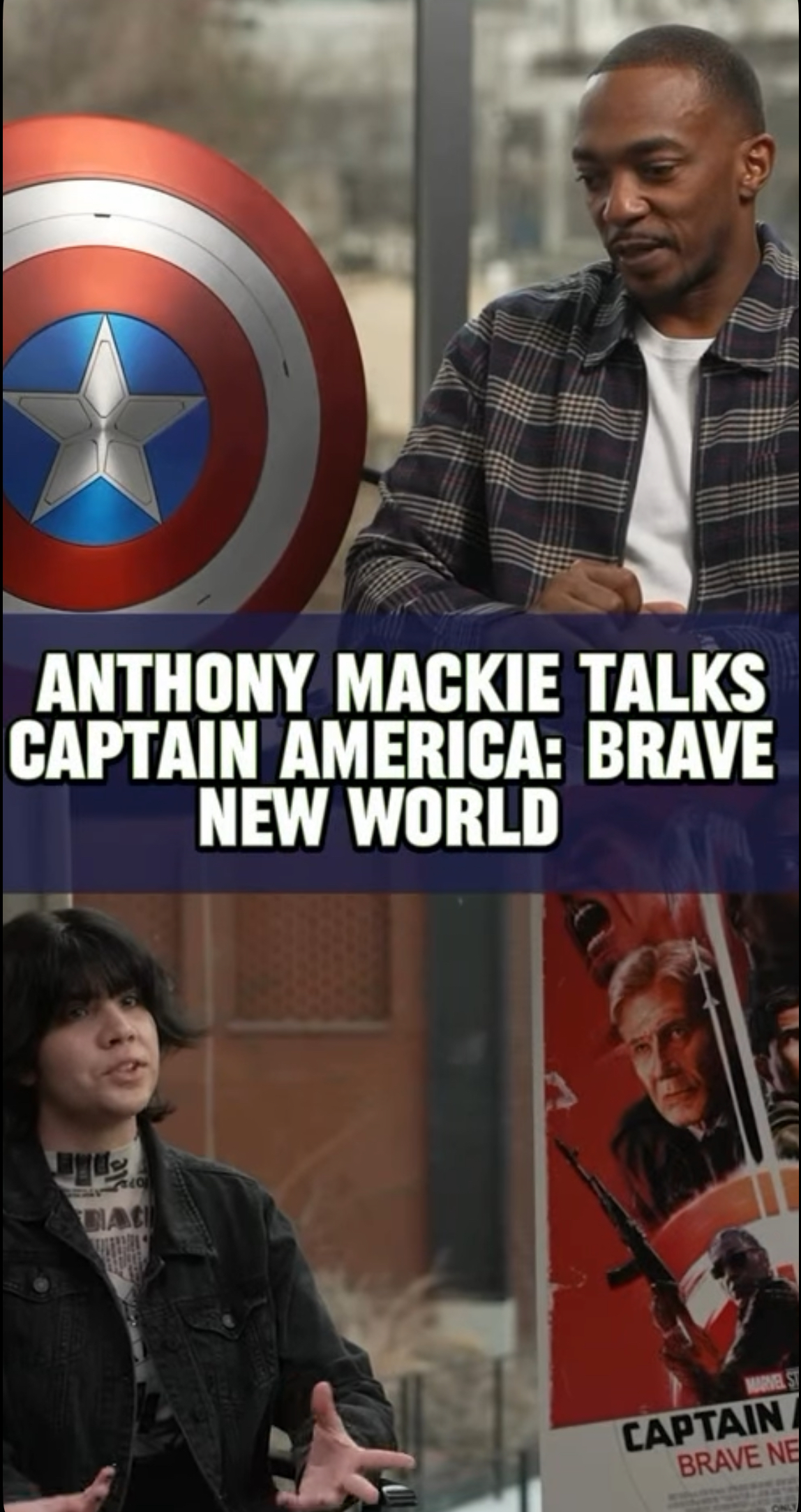
During my last year at the paper, we had made it on to the list of publications to get a one-on-one interview with Anthony Mackie in advance of Captain America: Brave New World’s release. When I learned about it, our editor in chief had already claimed it. Despite that, I worked up the nerve and asked if he’d consider letting me take it instead. To my surprise, he readily agreed. Given such a high-profile interview, I’d been expecting at least a bit of reluctance, if not an instant denial — but instead, he notified the PR team immediately that I would be conducting the interview instead.
In your professional and personal life, there will be times when you have the choice between asking for something you want or simply letting it pass by. Asking can be nerve-wracking, but at the end of the day, your life won’t end when you’re told, “No.” However, it might begin when you’re told, “Yes.”
At the beginning of my college career, I had never even considered writing for a newspaper as something I would do. Now, I can look back and say that my life would not be the same if not for it.